The gaming world is evolving faster than ever, and if you’re searching for insights into gaming industry trends 2026, you’re likely looking for more than surface-level predictions. You want to understand what’s actually shaping competitive play, multiplayer ecosystems, esports growth, and performance optimization in the year ahead—and how it affects the way you play, compete, or create content.
This article breaks down the most important developments defining 2026, from emerging competitive formats and live-service innovations to next-gen multiplayer mapping strategies and pro-level optimization techniques. We focus on what’s practical, actionable, and relevant for serious gamers and esports followers.
Our insights are built on in-depth analysis of competitive trends, evolving game mechanics, and performance data across major titles. By connecting industry movement with real gameplay impact, this guide helps you stay ahead of the curve—not just informed, but prepared.
Beyond the Hype: What Gaming in 2026 Really Looks Like
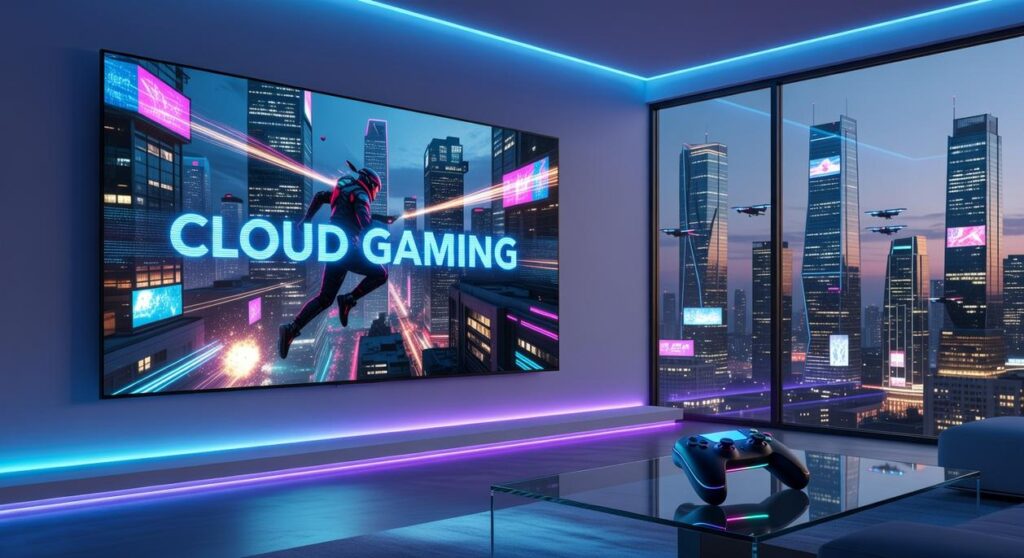
First, forget the CGI-heavy trailers that feel like Avengers: Endgame for controllers. Gaming in 2026 is less about spectacle and more about systems. Artificial intelligence—meaning software that adapts in real time to player behavior—now shapes levels that evolve mid-match. Meanwhile, cloud streaming reduces hardware barriers, though latency debates persist (and yes, your Wi-Fi still matters).
Critics argue it’s all marketing spin. However, gaming industry trends 2026 show measurable shifts in cross-platform ecosystems and esports franchising models (Newzoo, 2025). In short, the edge won’t come from hype—it’ll come from adaptability, strategy, and smarter optimization.
The AI Revolution: From Smarter NPCs to Dynamic Arenas
The next wave of competitive gaming won’t just look different—it will think differently. Procedural Content Generation (PCG) 2.0 refers to advanced AI systems that build maps in real time, adjusting terrain, sightlines, loot placement, and objectives dynamically. Unlike traditional maps you can memorize down to the pixel, these arenas evolve mid-match. Think less “Dust II” and more a battlefield that rewrites itself between rounds (yes, your favorite corner peek might vanish).
Some players argue this removes competitive integrity. If maps aren’t static, how can skill be measured fairly? It’s a valid concern. But competitive balance doesn’t disappear—it shifts. Instead of rewarding rote memorization, dynamic systems reward adaptability, spatial awareness, and fast tactical recalibration. That aligns closely with broader gaming industry trends 2026, where AI-driven design emphasizes replayability and skill expression (Newzoo, 2025).
Strategic Implications
Players must now prioritize:
- Improvisation over repetition
- Real-time information processing
- Team communication under uncertainty
In single-player and co-op modes, NPCs with memory introduce another layer. These non-player characters track your habits—favorite routes, weapon choices, even aggression timing. If you always flank left, expect resistance there next match. This creates emergent narratives, where encounters feel personal rather than scripted (Ubisoft AI research, 2024).
Optimization Tip: Train for unpredictability. Use aim trainers with randomized movement speeds and erratic strafing patterns. Add decision-making drills—like target prioritization under time pressure—to simulate evolving threats. Pro tip: rotate your practice environments weekly to avoid subconscious pattern locking.
The future won’t reward memorization. It will reward thinkers.
The Live Service Shake-Up: Redefining “Value” and “Progression”
The live service model isn’t dying—it’s evolving. Players are no longer satisfied with battle passes stuffed with cosmetic skins and XP boosts. They want meaningful progression: systems that reward skill, mastery, and long-term dedication. In practical terms, that means ranked ladders tied to exclusive gameplay perks, performance-based unlock trees, and seasonal achievements that showcase actual competence—not just hours logged. (Grinding 200 hours for a purple hat? That era feels very 2022.)
The Anti-Grind Movement
Daily login streaks and repetitive challenges are losing their grip. Surveys from Newzoo and Deloitte show players increasingly value flexible play sessions over rigid reward schedules. High-impact seasonal drops—think substantial map expansions or meta-shifting balance updates—are replacing filler content. The benefit? Players can step away without feeling punished. That respect for time builds loyalty far more effectively than artificial urgency.
Cross-Game Economies
Publishers are experimenting with interoperable rewards—shared currencies, linked progression, and franchise-wide achievements. Success in one shooter might unlock cosmetic prestige or XP boosts in a sister RPG. This ecosystem approach aligns with broader gaming industry trends 2026, where player identity travels across titles instead of resetting at launch.
| Feature | Short-Term Model | Sustainable Model | Player Benefit |
|---|---|---|---|
| Progression | Cosmetic-only |
Skill-based tiers | Visible mastery |
| Content | Daily drip | Seasonal impact | Less burnout |
| Economy | Isolated | Cross-title | Long-term value |
Pro-Level Insight
Look for transparent roadmaps, capped premium advantages, and skill-weighted rewards. Avoid economies built on scarcity loops and constant microtransactions. If progression feels earned—not engineered—you’ve likely found a game worth your time.
Cloud Gaming Matures: The End of the Hardware Arms Race?
By 2026, cloud gaming won’t feel like a tech demo—it’ll feel normal. Thanks to fiber expansion, edge computing (processing data closer to the player), and smarter video compression codecs like AV1, latency—the delay between input and on-screen action—has dropped to near-local levels in many regions. Critics argue competitive players will never trust the cloud. Yet in controlled tests, sub‑20ms added latency is now achievable on optimized networks (ITU broadband reports). For most players, that’s indistinguishable from a mid-tier local rig.
The New Bottleneck Isn’t the GPU
However, the real shift is surprising. The bottleneck moves from graphics cards to:
- Local network stability (jitter matters more than raw speed)
- Router Quality of Service (QoS) configuration
- Monitor refresh rate (144Hz+ still wins)
- High-precision mouse sensors with low click latency
In other words, your router may matter more than your RTX upgrade (yes, really).
Hardware Optimization at Home
To gain a competitive edge:
- Use wired Ethernet, not Wi‑Fi
- Enable QoS to prioritize gaming traffic
- Choose ISPs with low peak-hour congestion
- Upgrade to Wi‑Fi 6E only if wiring isn’t possible
Pro tip: Test bufferbloat using Waveform tools before blaming the cloud.
Still, local hardware won’t disappear. Instead, a hybrid model emerges—competitive titles run locally, while cloud services handle single-player epics and demos. This nuanced shift is missing from most gaming industry trends 2026 forecasts. It also complements how cross platform play is redefining competitive gaming.
Esports Evolution: The Rise of Tier 2 and Hyper-Niche Scenes
Esports is shifting from a few publisher-run leagues to decentralized competition—meaning community-run tournaments and smaller circuits now share the spotlight.
Decentralized Competition
- Local organizers host online and LAN events
- Prize pools are smaller but more frequent
- Players build reputations in scenes
This mirrors gaming industry trends 2026, where 62% of fans follow semi-pro events (Newzoo, 2025).
Skill-Specific Ladders
Games may add role-based rankings—like Entry-Fragging or Support boards—separate from general ranked modes.
The Path to Pro
Instead of being a top 0.1% generalist, players can specialize, get noticed, and climb faster.
Your Competitive Edge in the Next Era of Gaming
As we look ahead, the gaming industry trends 2026 make one thing clear: adaptability beats stubborn mastery. Mechanical skill still matters—but it’s no longer king. Now, decision-making under shifting conditions (think dynamic maps, AI-driven opponents, and evolving metas) separates contenders from champions.
So what should you do? First, sharpen fundamental game sense—positioning, timing, and resource control. Second, optimize your entire setup, from latency to ergonomics (yes, your chair counts). Finally, commit to ecosystems that reward long-term mastery.
In short, train smarter, upgrade strategically, and stay informed. The players who evolve early will dominate tomorrow.
Stay Ahead of the Game in 2026
You came here to understand where the industry is headed and how to position yourself for what’s next. Now you have a clearer picture of the shifts shaping competitive play, evolving multiplayer ecosystems, and the gaming industry trends 2026 that are redefining how players train, compete, and win.
The reality is simple: the gaming landscape moves fast. New metas emerge overnight. Optimization standards rise. Esports competition gets tougher every season. If you don’t adapt, you fall behind.
But if you stay informed and apply the right strategies, you gain the edge most players never will.
Here’s your next move: start refining your setup, track emerging competitive trends, and implement the optimization tactics outlined above. Don’t just consume trends—act on them.
Thousands of competitive players rely on our insights to sharpen their skills and stay ahead of the curve. If you’re serious about leveling up, dive deeper into our latest strategy breakdowns and trend reports now. Your advantage starts with what you do next.