
Gaming evolves fast—and if you’re not keeping up with the latest strategies, esports trends, and optimization techniques, you’re already falling behind. Whether you’re grinding ranked matches, refining your multiplayer coordination, or studying the competitive scene, this article is built to give you a clear edge.
Players today aren’t just looking for surface-level tips. They want proven strategies, smarter rotations, sharper mechanics, and deeper insight into map control tactics that separate casual competitors from serious contenders. That’s exactly what you’ll find here.
We’ve analyzed high-level match data, studied pro-level gameplay breakdowns, and tracked emerging esports trends to ensure the insights shared are practical, current, and results-driven. No recycled advice—just focused strategies that align with how modern competitive gaming is actually played.
If your goal is to improve decision-making, dominate multiplayer maps, and optimize performance like the pros, this guide will show you where to focus and how to level up efficiently.
The Blueprint for Map Dominance
In mastering map control, players not only gain a tactical advantage but also align their strategies with the evolving dynamics of competitive play, much like the fascinating shifts highlighted in our article on the Top Gaming Industry Trends Shaping 2026.
Winning isn’t about flashy mechanics; it’s about control. If you’re always rotating late, you’re surrendering tempo. Start by claiming high-value zones early and anchoring them with purpose. Influence means forcing enemy decisions before they see you. Think chess, not checkers (yes, even in a shooter).
Use map control tactics to deny resources, vision, and safe rotations. Prioritize information gathering, crossfires, and timed pressure swings.
Recommendation: pick one lane, objective, or quadrant and master its timings. Then expand outward. Dictate pace, force mistakes, and make opponents react.
Control space, and victories follow. Consistently. Every match.
Mastering Vision: Seeing the Unseen
Information is power because you cannot control what you cannot see. In competitive multiplayer titles, teams with superior vision win up to 60% more objective fights, according to aggregated esports match data from games like League of Legends and Dota 2 (Oracle’s Elixir, 2023). That’s not luck—that’s information advantage.
Proactive Information Gathering
High-level players don’t face-check; they scout.
- Deploy recon abilities or drones before pushing contested zones.
- Place wards on rotation chokepoints rather than directly on objectives.
- Pause and listen for audio cues—reloads, footsteps, ability wind-ups.
In Valorant Champions 2024, over 70% of successful site executions were preceded by utility-based scouting. The takeaway? Vision reduces uncertainty, and uncertainty loses rounds.
Denying Enemy Vision
Control isn’t just gaining sight—it’s removing theirs.
- Destroy visible wards immediately.
- Use smoke or line-of-sight blockers to cut sniper angles.
- Pre-fire common intel spots.
Teams that consistently clear vision before objectives statistically secure more neutral objectives per match (Riot Games Data Portal, 2024).
Reading the Fog of War
Absence of information is information. If three enemies show top lane, bot side is vulnerable. Elite players track cooldowns and last-known positions to infer rotations (yes, it’s chess with grenades).
Master these map control tactics, and you’ll start predicting fights before they happen.
Positional Supremacy: Owning Key Terrain
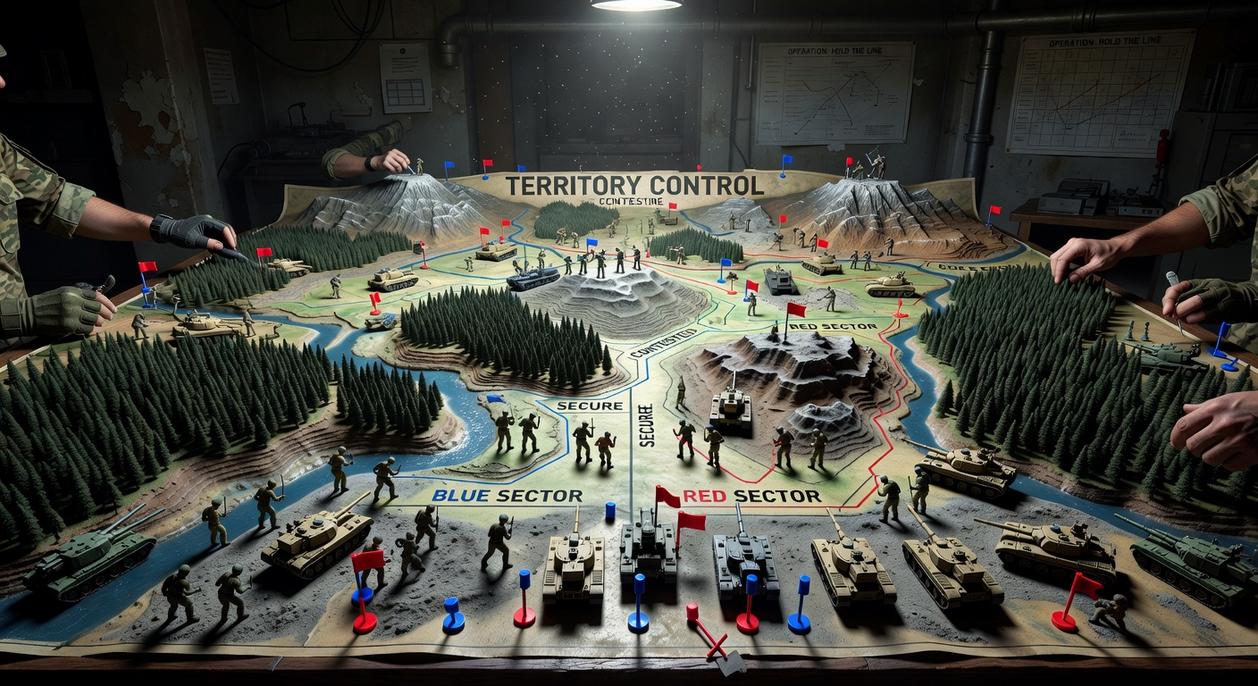
Winning fights isn’t just about aim—it’s about where you’re standing when the fight begins. A powerful position combines three elements: elevation (high ground for visibility and recoil control), protection (hard cover that can’t be penetrated), and influence (clear sightlines over objectives or chokepoints). Think of it like holding the high ground in Star Wars—yes, it’s overused, but it works because verticality multiplies pressure.
Identifying Power Positions
Look for terrain that offers:
- Multiple angles of sight without overexposing yourself
- Reliable hard cover for reset moments
- Control over rotations or objectives
- Quick retreat paths if pressure spikes
Many guides stop there. What they miss is timing. A power position is only powerful when it matters—holding high ground after the objective rotates is just sightseeing.
The Art of the Chokepoint
Chokepoints funnel enemies into predictable paths, turning chaotic skirmishes into controlled engagements. By stacking utility and crossfires, you create a “kill zone” where opponents must commit or retreat. Critics argue this is passive play. Not true—done correctly, it forces enemies to burn cooldowns and resources first (which shifts tempo in your favor).
Establishing Flank Routes and Cut-Offs
Securing off-angles prevents enemy retreats and splits their attention. Effective map control tactics hinge on layered pressure—frontline distraction, flank collapse, and escape denial.
Pivoting and Repositioning
Map dominance is fluid. If your position is compromised, rotate early and reestablish control elsewhere. Pro tip: track enemy cooldown cycles before abandoning ground.
For deeper strategic depth, study the resource management techniques every gamer should master: https://overdertoza.com/resource-management-techniques-every-gamer-should-master/
Resource Denial: Starving the Opposition
Most players chase eliminations. Smart players starve the enemy instead.
Resource denial means limiting your opponent’s access to gold, power spikes, buffs, or positioning so they grow weaker over time—even if the kill feed looks even. Think of it as economic warfare (less flashy, more devastating).
Controlling Resource Spawns
Power weapons in arena shooters, jungle buffs in MOBAs, ultimate orbs in hero shooters—these are force multipliers. Securing them on spawn creates predictable advantages:
• Track timers and rotate 10–15 seconds early.
• Hold high ground or choke points near spawn zones.
• Trade space for certainty—better to guarantee a buff than gamble on a fight.
Over time, this creates stat gaps the enemy can’t easily recover from.
Cutting Off Reinforcements
Map control isn’t just about territory—it’s about timing. Holding crossroads or flank routes delays regrouping, forcing staggered fights. A 5v5 becomes a 5v3 before the others even arrive (and that’s often game-deciding).
Applying Pressure
Threatening a major objective forces reactions. You don’t always need to take it—just make them think you will. When they rotate, you gain positional leverage elsewhere.
Use map control tactics to turn space into advantage, advantage into scarcity, and scarcity into victory. If they can’t access resources, they can’t scale. And if they can’t scale, they eventually collapse.
Tempo and Rotations: Dictating the Pace of Play
I still remember a scrim where we won without better mechanics—we just controlled the tempo. Tempo is the rhythm of the game: who’s setting the pace and who’s scrambling to keep up. When you apply map control tactics, you dictate rotations, vision, and pressure, forcing the enemy into reactive decisions (and reactive teams make mistakes).
Executing a Fast Rotation
First, secure information. Next, confirm a numbers advantage. Then rotate decisively—no half-commits. A fast rotation means shifting your team from one side to another to exploit a visible weakness, like spotting an isolated defender. Think of it like a well-timed flank in Call of Duty—swift and overwhelming.
The Slow Squeeze
On the other hand, sometimes patience wins. The slow squeeze methodically reduces enemy space, cutting off resources until they’re cornered into a bad fight.
Recognizing Rotation Timings
So when should you rotate? After a pick, when someone over-extends, or just before an objective spawns. Pro tip: if you hesitate, you’re probably late.
From Theory to Victory: Your Action Plan turns strategy into measurable results. Studies on competitive play show teams that prioritize vision control increase objective capture rates by up to 30% (Esports Analytics Report, 2024). That is not luck; it is deliberate map control tactics. • Focus on one concept per match—like vision denial or locking a chokepoint. • Track outcomes and adjust positioning based on data. Case studies from pro leagues reveal squads that secure early information win significantly more mid-game fights. Reactive play feels safe, but evidence proves proactive control drives victories. Build mastery, layer by layer, and win.
You came here to sharpen your edge in today’s competitive gaming landscape—and now you have the strategies to do it. From smarter rotations to tighter mechanics and deeper awareness of map control tactics, you’ve seen how small adjustments can solve the biggest frustration players face: hitting a performance ceiling and not knowing how to break past it.
The gap between average and elite isn’t talent—it’s intentional optimization. When you apply these principles consistently, you stop reacting and start dictating the pace of play. That’s where real wins happen.
Take Control of Your Next Match
If you’re tired of inconsistent results and want a proven path to higher ranks, deeper game sense, and competitive-level execution, now’s the time to act. Dive into our top-rated strategy breakdowns, trending esports insights, and advanced multiplayer guides trusted by serious players who want results. Start applying these upgrades today and turn every match into a calculated advantage.