
Staying competitive in today’s gaming landscape takes more than fast reflexes and long practice sessions. Whether you’re climbing ranked ladders, refining multiplayer map control, or studying shifting esports trends, the real edge comes from understanding the strategies behind high-level play. This article is designed for players who want more than surface-level tips — it delivers practical insights into core mechanics, evolving metas, multiplayer mapping strategies, and esports team tournament preparation that translate directly into better in-game performance.
We’ve analyzed current competitive gameplay patterns, reviewed tournament-level strategies, and examined how top teams adapt to balance changes and meta shifts. By breaking down what actually works in high-stakes environments, this guide helps you apply proven concepts to your own matches.
If your goal is smarter decision-making, tighter execution, and optimized performance under pressure, you’re in the right place. Let’s dive into the strategies that separate casual play from consistent, high-level results.
From scrims to stage lights, winning is rarely about mechanics alone. It’s about systems. Many squads grind ranked for hours, yet skip structure. Start with clear roles: in-game leader, entry, support, flex. Define “win conditions”—the specific scenarios where your composition thrives. Build weekly blocks for esports team tournament preparation, alternating strategy review, scrims, VOD analysis, and recovery. Track tilt triggers in a shared doc; address patterns before they snowball (yes, even that “one bad map”). Prioritize stage-day logistics: gear checks, sleep windows, travel buffers. Pro tip: rehearse pauses and timeouts like set plays. Champions don’t wing it; they rehearse.
Mastering the Meta: Advanced Strategy & VOD Review
The meta (short for “most effective tactics available”) isn’t just a tier list—it’s a living snapshot of what wins right now. To deconstruct it, start with patch notes and win-rate data (for example, official developer patch notes and aggregated stats from sites like Liquipedia and major analytics platforms). Ask: What changed, and who benefits? If a hero receives a cooldown buff, does that enable faster objective control or stronger late-game scaling? That cause-and-effect thinking separates contenders from copycats.
However, some argue you should just master comfort picks and ignore trends. There’s truth there—mechanical skill wins games. Yet understanding why a composition dominates lets you counter it intelligently instead of mirroring it blindly (think Moneyball, but with ultimates).
Structured Scrims and Smarter Reviews
Next, structure scrim blocks around outcomes, not scorelines. For example, dedicate 30 minutes solely to early-game rotations, then shift to mid-game objective setups. This mirrors esports team tournament preparation and builds repeatable habits under pressure. In contrast, playing “for wins” often masks weak fundamentals.
Then implement a VOD Review Protocol. A VOD (Video on Demand replay) should highlight patterns: staggered deaths, ultimate economy mismanagement, or missed crossfires. Assign a rotating review leader to drive accountability and keep discussions solution-focused.
Finally, build a playbook: 3–5 core strategies per map. Define roles, ultimate economy cycles (how teams trade and stack ultimates efficiently), and standardized callouts. Documenting these details ensures clarity when comms get chaotic (and they will).
Pro tip: If a strategy can’t be summarized in five bullet points, it’s too complex for high-pressure execution.
Building an Unbreakable Unit: Communication & Synergy
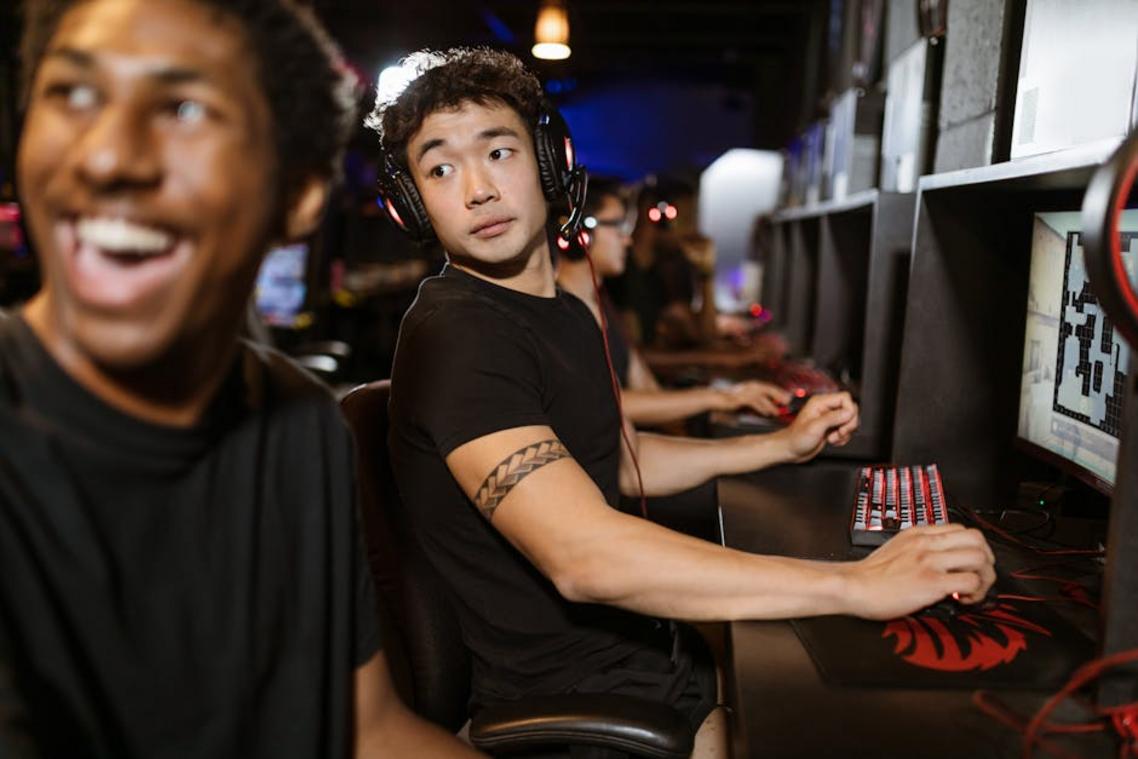
Great mechanics win rounds. Elite communication wins championships.
First, establish a communication hierarchy. The IGL (In-Game Leader, the primary shot-caller who directs macro decisions) has final say during executes, rotations, and clutch scenarios. A secondary caller handles mid-round adjustments if the IGL is eliminated. Meanwhile, information providers focus strictly on relaying enemy positions, cooldowns, and map control updates. This structure prevents comms clutter during high-stress moments (because five people yelling “ONE SHOT!” helps no one). More importantly, it ensures decisions are fast, clear, and unified.
Next, implement key phrase standardization. Create a shared dictionary for terms like “Reset” (disengage and regroup), “Full Commit” (allocate all resources), and “Peel” (protect a vulnerable teammate). Instant recognition reduces hesitation by milliseconds—which, in esports, is everything. For deeper structural examples, study the communication systems used by top esports teams: https://overdertoza.com/communication-systems-used-by-top-esports-teams/
However, even perfect structure fails without emotional control. That’s why conflict resolution and tilt management must be predefined. Agree in advance that in-game arguments pause until after the match. Then enforce a mandatory cool-down period before reviewing mistakes. This protects morale and keeps feedback productive instead of personal.
Finally, prioritize out-of-game team building. Shared workouts, strategy sessions, or even casual hangouts build trust. Consequently, players rotate faster, trade harder, and sacrifice more willingly during esports team tournament preparation. Synergy isn’t magic—it’s engineered repetition plus genuine respect. (Think less solo queue chaos, more synchronized Avengers energy.)
Peak Performance: Mental Fortitude & Physical Readiness
Let’s be honest: mechanics alone don’t win tournaments. The mental game decides who clutches and who crumbles. Performance anxiety—the spike of stress before a high-stakes match—can hijack reaction time and decision-making (American Psychological Association). I’m a huge believer in simple pre-game resets: slow box breathing (inhale 4, hold 4, exhale 4, hold 4) and two minutes of mindfulness to anchor attention. It sounds basic, but basic works.
Optimizing Player Health is non-negotiable. Research shows sleep loss slows reaction time comparably to alcohol impairment (CDC). During tournament week:
- 8+ hours of sleep nightly
- Limited sugar and caffeine
- Consistent hydration
Pro tip: taper caffeine 48 hours before match day to avoid jitters.
On burnout prevention, I’ll say it plainly: grinding 12 hours daily is counter-productive. Cognitive performance declines without recovery (Harvard Business Review). Schedule mandatory off-days. Your brain needs consolidation time.
Visualization is underrated in esports team tournament preparation. Mentally rehearse clutch plays, stage walkouts, even headset adjustments. When the moment feels familiar, anxiety drops (classic sports psych principle). Think of it like speedrunning your nerves before the real run.
Talent sets the ceiling. Preparation—mental and physical—raises the floor.
The Pre-Game Checklist isn’t glamorous, but it wins tournaments.
Hardware & Logistics Lock-In
A week out, lock DPI, resolution, and in-game settings—your configuration baseline. Then, stress-test your mouse, keyboard, and headset for faults; replace anything inconsistent. Meanwhile, confirm travel, check-in times, and meals so no one pulls a Home Alone airport sprint.
On game day, run a 30–45 minute technical warm-up: aim drills, movement reps, and on-site equipment checks to reach flow state (think Rocky montage). This structure mirrors esports team tournament preparation and, ultimately, turns chaos into controllable variables. Pro tip: pack backup cables. Details decide close series.
Game day isn’t the time for panic pings and last-minute hero speeches that sound like a budget sports movie. Your protocol exists so you don’t wing it when the stakes spike. Think esports team tournament preparation but with fewer energy drink spills. Master strategy, lock communication, and protect personal wellness so tilt stays benched. YES, that means sleep. Even champions need REM. Some argue pressure creates magic; sure, but preparation creates CONTROL. When chaos knocks, you answer with checklists, not vibes. Trust your reps, follow the plan, and execute like it’s scrims—only louder. Breathe, reset, win. Stay sharp, squad.
In addition to honing their strategies and teamwork, professional teams meticulously optimize their gaming setups, often discussing how to achieve the perfect balance between performance and visual quality, as detailed in our article on ‘Graphics Settings Explained: How to Balance Performance and Quality.’
Level Up Your Competitive Edge
You came here to sharpen your competitive edge and understand what it really takes to stay ahead in today’s fast-moving gaming landscape. Now you’ve seen how smart strategy, refined mechanics, optimized settings, and intentional esports team tournament preparation separate casual contenders from consistent winners.
The biggest pain point for most players and teams isn’t passion — it’s direction. Grinding without a clear plan leads to burnout, sloppy coordination, and missed opportunities on the biggest stages. When every match counts, guesswork is your worst enemy.
The good news? You now have the blueprint. From tighter multiplayer mapping awareness to pro-level optimization tweaks, you’re equipped to practice smarter, not just longer.
If you’re serious about dominating your next bracket, don’t stop here. Dive deeper into advanced strategy breakdowns, apply these preparation frameworks with your squad, and start treating every scrim like a championship round. Join thousands of competitive players already using our proven insights to elevate their gameplay — and start turning preparation into podium finishes today.