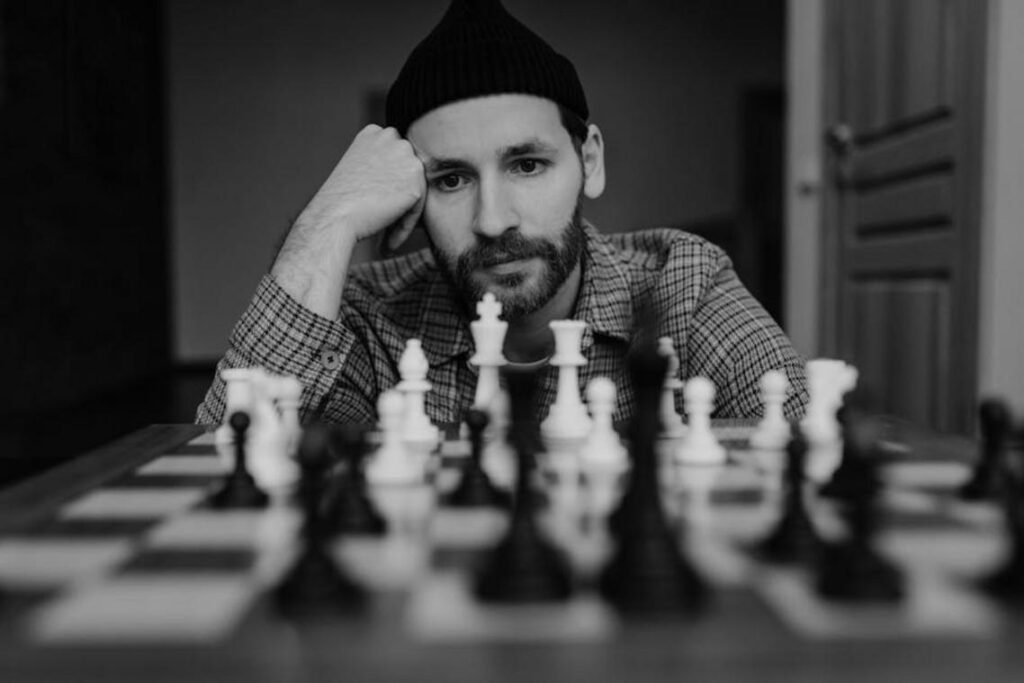
The razor-thin margin between winning and losing in competitive gaming is not just about raw mechanical skill. Many talented players hit a frustrating plateau because they overlook the deeper layers of optimization that separate contenders from true champions. This guide delivers a complete framework for breaking through that ceiling, combining mindset refinement, strategic analysis, and practical competitive gaming performance tweaks that create measurable results. Instead of grinding aimlessly, you’ll learn how to implement focused adjustments immediately—transforming stagnant practice into structured progress and turning consistent play into consistent victories.
Dialing In Your Rig: Hardware & Settings for Zero-Lag Performance
Let’s start with the obvious: if you’re playing on a 60Hz monitor in 2026, you’re basically bringing a butter knife to a sword fight. A 144Hz+ monitor isn’t a luxury—it’s a competitive baseline. Higher refresh rates reduce motion blur and perceived input lag (NVIDIA, 2023). Pair that with low-latency mice and keyboards (measured in milliseconds) and a wired Ethernet connection. Wi‑Fi is great for streaming shows. Not so great for clutch rounds.
In-Game Graphics Optimization
Frames win games. Ultra shadows do not. Lower or disable:
- Shadows
- Anti-aliasing
- Motion blur (always motion blur)
- High texture filtering
Prioritize maximum FPS over eye candy. Lower settings reduce render time, which reduces input delay (AMD GPUOpen, 2022). If your game looks slightly uglier but feels faster, you’re doing it right.
System-Level Tweaks
Close background apps. Disable “Enhance Pointer Precision” (that’s mouse acceleration in disguise). Turn on Game Mode. These small competitive gaming performance tweaks reduce system interruptions and stabilize frame pacing.
Ergonomics for Endurance
Sit upright. Monitor at eye level. Feet flat. Wrists neutral. Fatigue kills focus faster than any opponent. Your back shouldn’t be the final boss.
Pro tip: test changes one at a time so you know what actually helped.
Mastering the Mental Game: The Psychology of Clutch Plays
Cultivating a growth mindset starts with understanding the difference between a fixed mindset—“I’m not good enough”—and a growth mindset—“What can I learn from this loss?” Psychologist Carol Dweck’s research shows athletes who adopt growth beliefs improve performance over time (Dweck, 2006). I firmly believe every match, win or lose, is just DATA. Treat it like game film: review it, extract lessons, move on. Some argue that overanalyzing kills instinct. I disagree. Reflection sharpens instinct; it doesn’t replace it.
Tilt prevention is NON-NEGOTIABLE. Tilt—emotional frustration that sabotages decision-making—ruins more games than bad mechanics. The American Psychological Association links slow, controlled breathing to reduced stress responses (APA, 2018). Between rounds, inhale four seconds, exhale six. Identify your triggers—trash talk, early mistakes, lag. Create a reset phrase like “Next play.” Yes, some players say anger fuels them. Maybe short-term. Long-term? It burns focus.
Building unbreakable focus means rituals and boundaries. A simple pre-game routine signals your brain it’s time to compete. Minimize distractions, apply competitive gaming performance tweaks only after reviewing your hardware, and stay present through brief mindfulness check-ins.
Confidence isn’t magic; it’s preparation. When you’ve practiced clutch scenarios, studied replays, and optimized with a pc game optimization checklist for maximum fps, pressure feels familiar. Some say confidence must come first. I say PREPARATION builds it—every single time. Be READY. Compete calm. Win the moment. Clutch moments reward the player who masters mind and mechanics alike.
Thinking Like a Pro: Strategy, Communication, and Adaptation
The Art of VOD Review
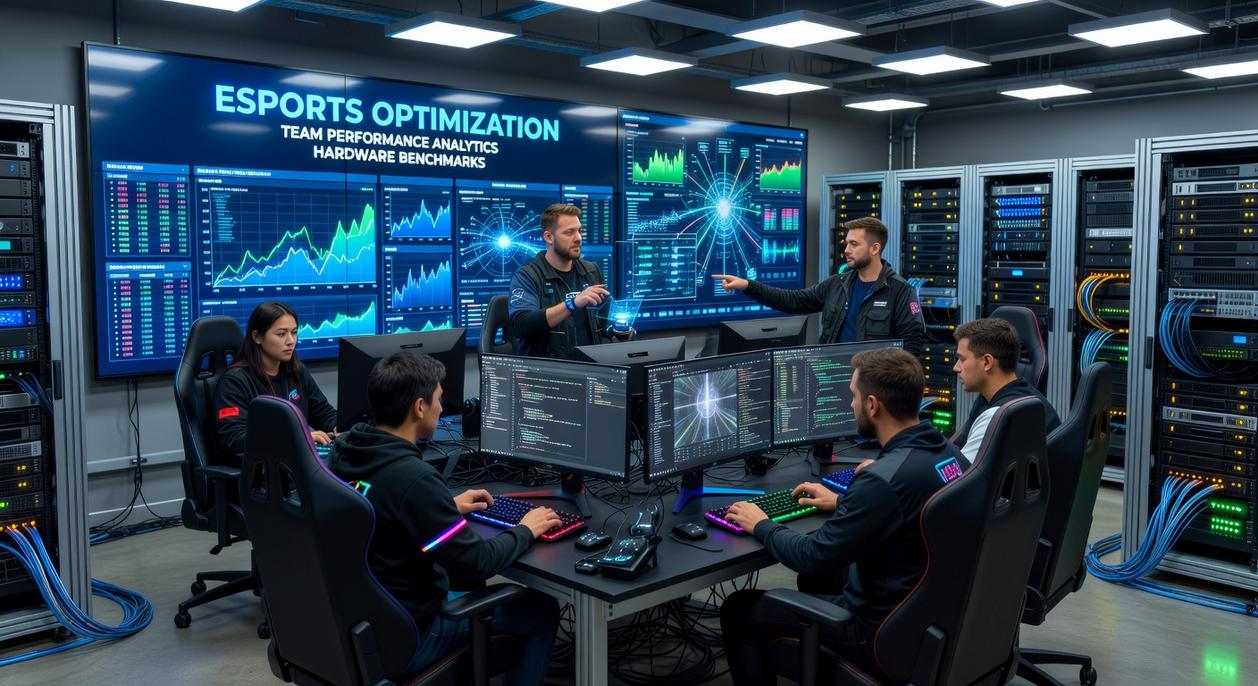
Most players rewatch gameplay looking for flashy misplays—missed shots, bad aim, slow reactions. That’s surface-level analysis. Mechanics are rarely the real ceiling. A structured VOD review focuses on patterns: Were you consistently out of position before fights? Did you waste cooldowns before objectives spawned? Did you choose low-percentage plays when patience would’ve won?
Break your review into three passes:
- Positioning: Where were you standing 10 seconds before every death?
- Ability Usage: Did you use tools proactively or panic-reactively?
- Decision-Making: What information did you ignore?
Pro tip: Watch once with the minimap enlarged. Macro mistakes hide in plain sight.
Learning from the Best
Watching pros for entertainment won’t make you better (sorry, Twitch grinders). Instead, pause before engagements and predict their choice. Track micro-decisions—why rotate early? Why give up space? Why not chase?
Notice how they react when plans fail. It’s rarely dramatic. It’s controlled, incremental adjustment—like chess players trading tempo instead of pieces.
Mastering the Three C’s
Clear. Concise. Calm.
Effective: “Two rotating left, ult 80, back up.”
Distracting: “Why are we pushing?! This is doomed!”
Emotion spreads faster than information. Calm comms stabilize teams under pressure.
In-Game Adaptability
Here’s a contrarian take: rigidly following the meta can stunt growth. Yes, understand it—but anticipate counters. If a strategy fails twice, pivot. Swap tempo, change angles, bait utility.
Adaptation isn’t panic; it’s preparation meeting awareness.
And while competitive gaming performance tweaks matter, strategic flexibility wins championships. (Just ask any reverse-sweep team in esports history.)
The Esports Athlete: Fueling Your Mind and Body
Your body is part of the gaming hardware. Yet so many players brag about all-nighters then rage when their reactions lag. (We’ve all been there.)
Sleep is non-negotiable. Seven to nine hours sharpens reaction time, decision-making, and emotional control, according to the CDC.
Skip the sugar spikes; they cause brain fog and tilt. Choose balanced meals, water, nuts, and fruit.
- Light exercise boosts blood flow and cuts stress.
- Stretching prevents chair-locked backache.
These aren’t optional competitive gaming performance tweaks; they’re baseline maintenance. Treat your body like gear, not an afterthought.
One of the standout system tweaks for boosting your gaming performance is optimizing your controller settings, much like the impressive features highlighted in our recent review of the Uggcontroman Controller Brought To You By Under Growth Games.
Integrating Optimization into Your Daily Grind
You didn’t come here to grind endlessly without results—you came to improve with purpose. Now you understand that real progress isn’t random; it’s built on intentional upgrades to your setup, mindset, strategy, and health. That frustration of plateauing despite hours of play? It fades when you apply structured competitive gaming performance tweaks instead of guessing your way forward.
Take action today: choose one optimization strategy and commit to it for the next seven days. Track it. Measure it. Refine it. Thousands of competitive players rely on proven performance systems to break skill ceilings—now it’s your turn. Start optimizing, stay consistent, and turn every session into a calculated step toward winning more.