Ever been so lost in a game that you forget the world outside? It’s not just about virtual reality gaming or fancy gear. It’s that magical feeling when the game’s universe pulls you in, and time melts away.
But what exactly makes that happen? We’re diving into what truly creates those immersive gaming experiences. This isn’t just another gimmicky rundown of VR headsets.
I’ve spent years dissecting game design, audio, everything that makes a game tick. You’re probably wondering (like I did) which settings or games offer real immersion. By the end, you’ll know how to craft or boost your own gaming escape.
Trust me, this guide is your ticket to understanding and mastering the art of immersion. Time to level up your gaming world.
Defining Immersion: More Than Just a Buzzword
Immersion in gaming isn’t just a single feature. It’s the cocktail of elements that make you feel you’re truly there, in the virtual world. Take spatial immersion.
It’s like stepping into a new city for the first time, wandering its streets. You can almost touch the virtual reality gaming landscapes.
Then there’s narrative immersion. Remember the last book you couldn’t put down? It’s that gripping story and those vivid characters that pull you in.
Here, the game’s plot and personalities become as real as any page-turner.
Strategic immersion? This is where the gameplay itself hooks you. Think of it as a chess match where every move matters.
You’re so focused on challenges and mechanics, the world outside fades away.
The best games? They blend all three. It’s not enough to excel in just one area.
Want to know more about how indie games achieve this magic? You might find it useful to learn more about the rise of indie games.
Remember, perfect immersion isn’t easy. But when it happens, that’s when a game really sticks with you. It’s what turns a good game into an unforgettable experience.
The Tech That Pulls You In: A Practical Gear Guide
When it comes to immersion, tech is your best friend. Let’s dig into the hardware that makes gaming feel real. First up, visuals.
High-resolution displays are key. A crisp image can make or break your experience. High refresh rates?
They keep everything smooth. And don’t overlook ultrawide monitors. They expand your field of view, wrapping you in the game world.
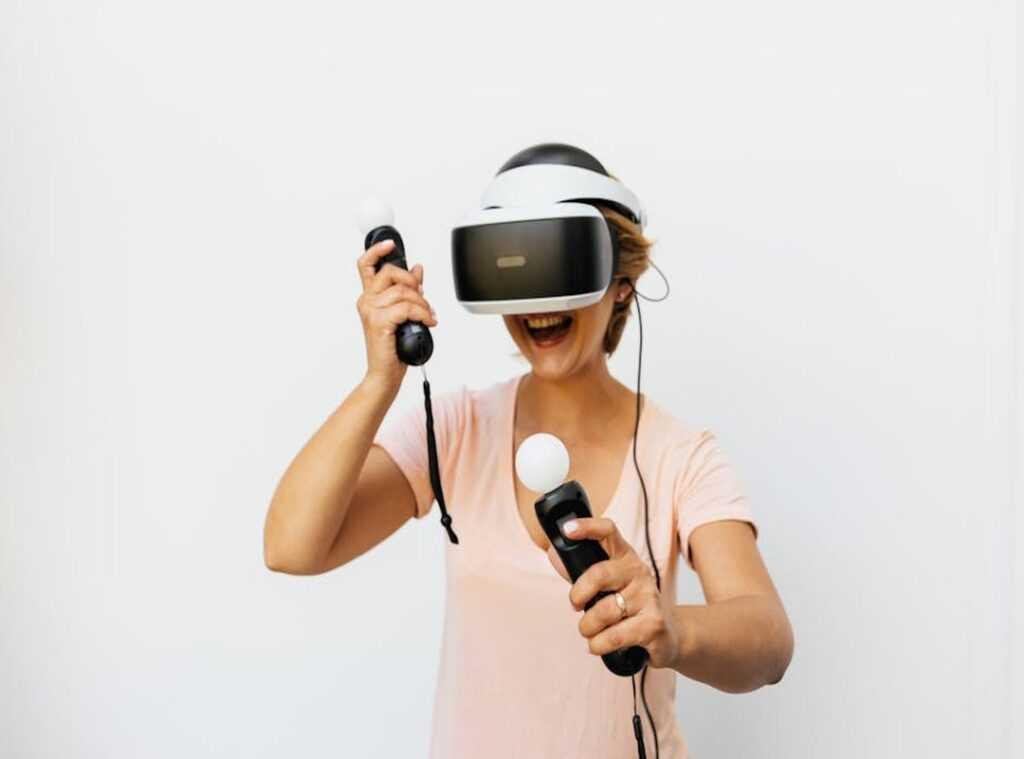
Ever tried virtual reality gaming? It’s the pinnacle of visual immersion, but not the only way to dive deep.
Now, audio. Don’t underestimate it. Seriously, audio is 50% of the experience.
You wouldn’t watch a movie without sound, right? Stereo sound is basic but does the job. Want to feel like you’re in the middle of the action?
Go for 7.1 surround sound. For the ultimate experience, 3D spatial audio is where it’s at. But if you’re budget-conscious, quality headphones are the game-changer here.
They’re the most impactful upgrade for most people.
Haptics is another layer. Ever felt your controller rumble? That’s haptic feedback.
It’s what lets you ‘feel’ the game. From basic rumble to advanced vests and chairs, haptics make the virtual tangible. Imagine feeling the rush of wind or the impact of a punch.
That’s the power of touch in gaming.
So, what’s the best gear for you? Let’s break it down. If you’re on a tight budget, go for ‘good’ options.
They’ll get you started. Got a bit more cash to splash? ‘Better’ options will raise your experience. But if you’re all in, ‘best’ is where you want to be.
Remember, it’s not about the brand. It’s about what fits your needs and budget.
In the end, it’s all about what pulls you into the game. Whether it’s the visuals, the sound, or the feel, the right tech can make all the difference.
The Unseen Architect: Crafting Immersion in Games
When you think about virtual reality gaming, you might picture fancy headsets and jaw-dropping graphics. But technology is only half the story. What truly creates the magic is masterful game design.

It’s the unseen architect behind your favorite game worlds. Ever wondered why some games feel so real? It’s all about world and level design.
Developers use environmental storytelling and lighting to make worlds pulse with life. They strategically design maps so that every corner, every shadow tells a story. In multiplayer games, it’s even more detailed.
Maps need flow and sightlines that create strategic immersion (and keep you coming back for more).
And then there’s sound. Sure, soundtracks are cool, but what about ambient noise? The rustle of leaves, footsteps in the distance, or a whisper of wind.
These are the sounds that breathe life into a game. They guide you, build tension, and make you feel like you’re really there. Audio cues can even direct your attention without you realizing it.
Now, let’s talk interfaces. Ever played a game where the screen’s cluttered with icons and numbers? It’s distracting.
A minimalist UI, or better yet, a diegetic one, keeps you immersed. Think of Isaac Clarke’s health bar on his suit in Dead Space. The interface is part of the world.
That’s genius design.
In a space where cross platform play breaking barriers is the frontier, understanding these elements sets apart the true artists of game creation. You might not always notice it, but that’s because it’s working. It’s like a great film score (you) hardly notice until it’s gone.
So next time you’re lost in a game, remember the unseen hands that crafted that world. They’re the real MVPs.
Your Ultimate Immersion Checklist: Dive Deep Into Virtual Worlds
Ever get lost in a game and lose track of time? That’s the goal, right? To fully dive into virtual reality gaming and feel like you’re part of another world.
But how? Start by controlling your environment. Dimming the lights and reducing outside noise can work wonders.
You don’t want your neighbor’s dog barking to yank you out of an epic space battle.
Oh, and distractions? Kill them. Phones, notifications, all of it.
Your space should feel like a sanctuary, not a circus.
Now, let’s talk settings. Spend time with the game’s audio and visual settings. Trust me, it’s worth it.
Use your headphones’ virtual surround mode for that extra layer of immersion. Adjust brightness and contrast to match your room lighting. It’s like finding that perfect movie theater seat, but better.
Choosing the right game is key too. Not all games are meant for deep dives. I’m talking about those atmospheric single-player RPGs or nail-biting survival horror games.
They’re designed to pull you in and keep you there.
Finally, mindset matters. Set aside dedicated time to play. Let yourself get absorbed without the itch to check your phone or multitask.
Remember, it’s about the experience, not the clock.
What’s next for you? Dive in and see how different your gaming feels.
Step Up Your Gaming Experience
Getting your gaming setup right is no small feat. It’s not just about splurging on the latest gear. True immersion in virtual reality gaming comes from balancing technology, smart game design, and your personal environment.
Remember that overwhelming feeling of sorting through endless buzzwords and pricey equipment? Now, you’ve got the takeaways to get through that mess and create a setup that works for you without breaking the bank.
You’ve got the tools. Use them. Try a tip from the ‘Optimization Checklist’ tonight.
Experience the difference firsthand. Curious about specific game strategies or trends? Dive into our other articles.
You want to level up your gaming reality, and we’re here to guide you. So go on, explore, and make every game unforgettable.
 Multiplayer Systems & Optimization Specialist
Dale Durstobario has opinions about esports tournament trends. Informed ones, backed by real experience — but opinions nonetheless, and they doesn't try to disguise them as neutral observation. They thinks a lot of what gets written about Esports Tournament Trends, Fundamental Gaming Strategies and Tactics, Game Optimization Cheatsheets is either too cautious to be useful or too confident to be credible, and they's work tends to sit deliberately in the space between those two failure modes.
Reading Dale's pieces, you get the sense of someone who has thought about this stuff seriously and arrived at actual conclusions — not just collected a range of perspectives and declined to pick one. That can be uncomfortable when they lands on something you disagree with. It's also why the writing is worth engaging with. Dale isn't interested in telling people what they want to hear. They is interested in telling them what they actually thinks, with enough reasoning behind it that you can push back if you want to. That kind of intellectual honesty is rarer than it should be.
What Dale is best at is the moment when a familiar topic reveals something unexpected — when the conventional wisdom turns out to be slightly off, or when a small shift in framing changes everything. They finds those moments consistently, which is why they's work tends to generate real discussion rather than just passive agreement.
Multiplayer Systems & Optimization Specialist
Dale Durstobario has opinions about esports tournament trends. Informed ones, backed by real experience — but opinions nonetheless, and they doesn't try to disguise them as neutral observation. They thinks a lot of what gets written about Esports Tournament Trends, Fundamental Gaming Strategies and Tactics, Game Optimization Cheatsheets is either too cautious to be useful or too confident to be credible, and they's work tends to sit deliberately in the space between those two failure modes.
Reading Dale's pieces, you get the sense of someone who has thought about this stuff seriously and arrived at actual conclusions — not just collected a range of perspectives and declined to pick one. That can be uncomfortable when they lands on something you disagree with. It's also why the writing is worth engaging with. Dale isn't interested in telling people what they want to hear. They is interested in telling them what they actually thinks, with enough reasoning behind it that you can push back if you want to. That kind of intellectual honesty is rarer than it should be.
What Dale is best at is the moment when a familiar topic reveals something unexpected — when the conventional wisdom turns out to be slightly off, or when a small shift in framing changes everything. They finds those moments consistently, which is why they's work tends to generate real discussion rather than just passive agreement.