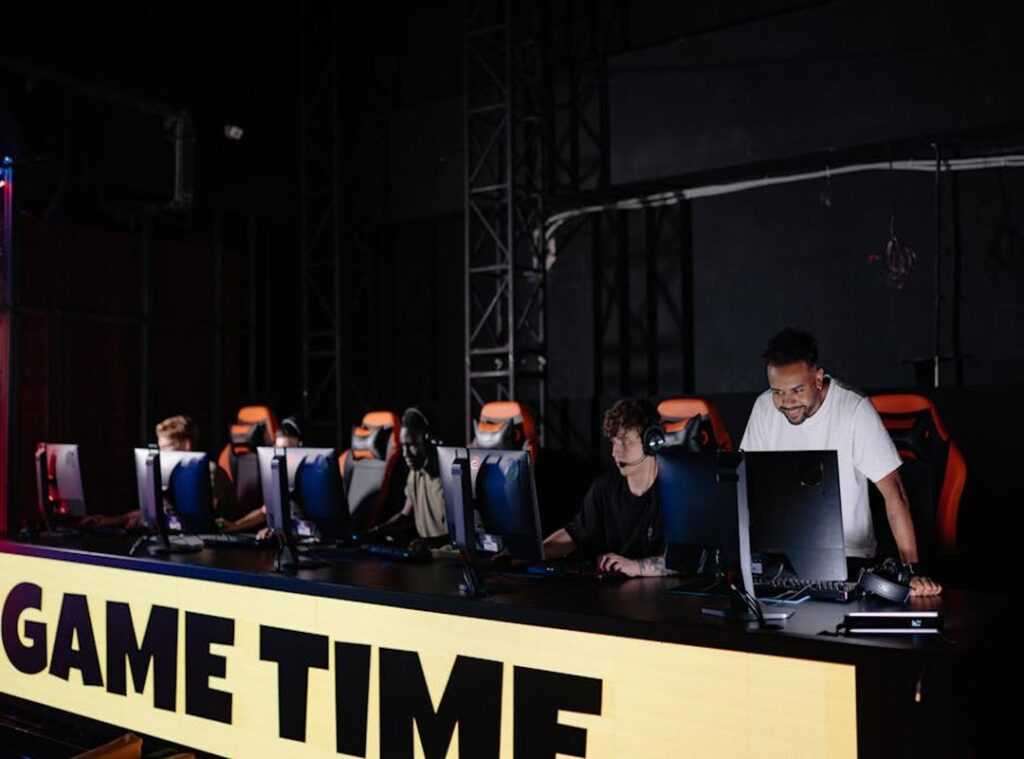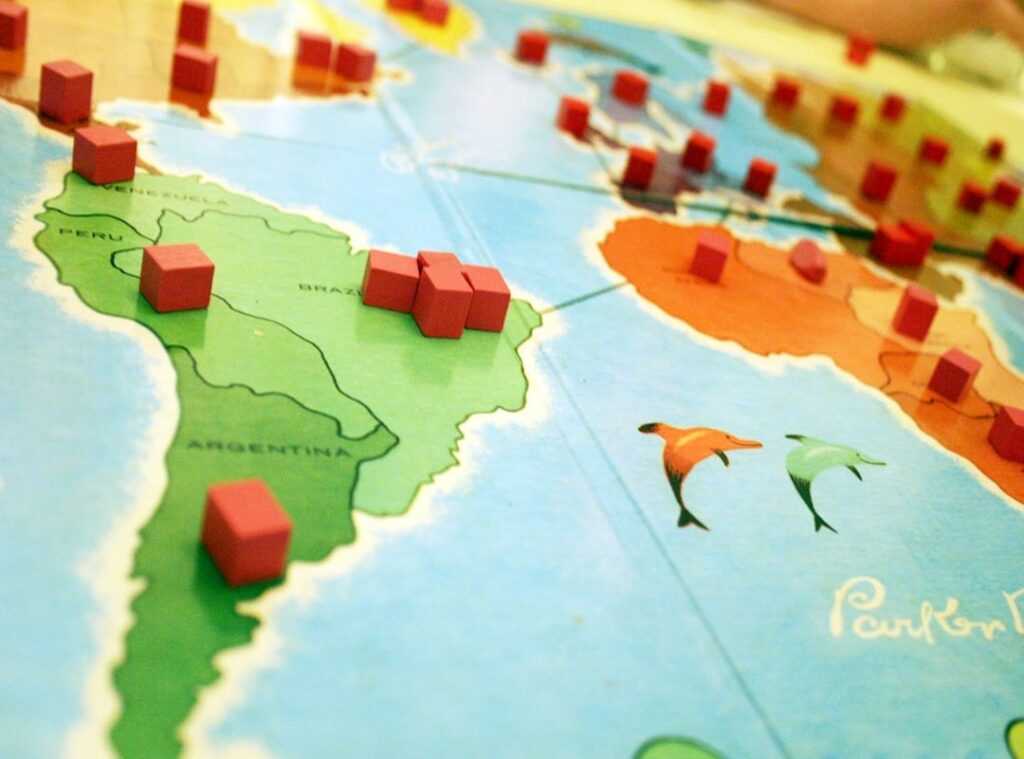

You know the drill. That game map looks stunning in the promo shots, but when you actually play it? Total chaos.
It’s a common trap. Teams get lost without a unified plan, cranking out maps that look great but play terribly. Why?
Because they skip the planning phase, leading to frustration and wasted time. I’ve seen countless multiplayer maps, learning from both legends and disasters. Trust me, a solid map design team plan can save you.
You want maps that are beautiful but also a blast to play. Stick around. We’ll dive into a proven system just for that.
Mapping Fun: Locking Down Your Design Pillars
Before laying a single asset, you’ve got to nail down your map’s Design Pillars. Think of these as the backbone (or the skeleton if you prefer visuals) of your player experience. Do you want constant forward momentum?
Strategic verticality? Decide now. These are the non-negotiable goals that shape everything your map will offer.
And don’t just wing it. Concrete examples are key here. A game with teleport abilities might scream for flanking routes and clever ambush spots rather than long, boring sightlines.
I sometimes ask myself: Does this map encourage the right player behavior? Don’t laugh. The answer can make or break your design.
Design Pillars should tie directly to the game’s mechanics. You want players to feel a certain way playing this map, right? Then make sure your pillars support that feeling.
Here’s a pro tip: Consider running a mini-workshop with your team. Ask three big questions. What’s the single most important feeling?
What behavior to reward? How does the layout serve the game’s mode?
By hammering these out, you create a shared language and set of goals. Trust me, this prevents those subjective arguments and dreaded “design by committee” scenarios later. It’s all about teamwork and a sound map design team plan.
Want more? You can read more about analyzing player behavior and map design. Dive in, get the groundwork right, and you’ll save yourself headaches down the line.
Ready to start sketching? Or are you still debating the pillars?
The Blueprint: Crafting a Winning Map Plan
When crafting a map design, it’s key to shift from the “why” to the “what.” We start with the Map Design Document (MDD). This isn’t just a bunch of ideas thrown together. It’s the backbone of every great map, much like an architect’s blueprint.
Before diving into 3D, you need a 2D flow diagram. Why? Because it sets the stage for player flow and pathing.
It’s like giving players three path choices (ever heard of the ‘Rule of Three’?). Chokepoints, flanking routes, and safe zones all start here.
Now, let’s talk about landmarks and navigation. Good maps shouldn’t have players glued to their mini-maps. They should be navigated with ease, thanks to unique and memorable landmarks.
Imagine calling out to a teammate, “I’m at the crashed dropship!” instead of “I’m by the grey building.” Which one sounds more helpful? Exactly. These landmarks make maps intuitive and, frankly, more fun to play.
Balance and symmetry are next on the list. Symmetrical maps are perfect for balanced, competitive modes like Capture the Flag. But asymmetrical maps?
They shine in narrative or Attack/Defend scenarios. The challenge? Planning spawn points and objectives so they make sense.
It’s a strategic choice that can make or break your map.
Then there’s the less glamorous side of things: technical and performance budgets. Oh, the joy. Defining budgets for polygon counts, texture memory, and changing objects is important.
Without this, you risk performance nightmares and late-stage rework. It’s not the fun part, but it’s the foundation of a solid map design team plan.
In the end, a strategic blueprint isn’t just about creativity. It’s about precision, planning, and a touch of restraint. So, are you ready to craft that winning map?
From Paper to Playtest: Nailing the Execution
Let’s face it, diving into map design without a plan is like trying to build a house and deciding where the windows go after you’ve painted the walls. Spoiler alert: it’s a disaster. I’ve been there, and trust me, a phased approach is the way to go.
You want efficiency? Start with the basics.
First, the Paper Layout. This is your “napkin sketch” phase. Pure layout and flow.
Cheap and easy to iterate. You can scribble and erase without a second thought. This is where you make sure the bones of the map are solid before getting too fancy.
Next, we move to the Greyboxing (or Blockout) phase. Here, you’re building with simple shapes. No textures, no distractions.
This is key for testing scale, cover, and sightlines. Skip this stage and you’ll find yourself moving walls around later. That’s not fun.
Then comes the Art Pass & Set Dressing. Only after the layout proves fun and functional should you make it look good. It’s like adding frosting to a cake after you’re sure the cake won’t collapse.
You want it to look pretty, but not at the expense of gameplay.
Finally, Polish & Optimization. This is about final touches. Lighting, bugs, performance tuning.
You don’t want to skip this either. It keeps the game running smoothly.
This process isn’t just about looking good. It’s about balancing multiplayer maps fair play too. Gameplay always comes first.
Every stage ensures the map design team plan is spot on. Remember, order matters.
The Feedback Loop: Keep Iteration from Going Off the Rails
Managing feedback without losing your mind is tough. Seriously, it’s like walking a tightrope. You want to iterate and improve, but how do you avoid falling into chaos?
Start with this: differentiate between subjective and objective feedback. Subjective is vague (“This area feels boring”). Objective is actionable (“This cover is too short, I always get shot over it”).
See the difference?
Ask questions that dig deeper. Where did players feel solid? Where did they get lost?
Did they avoid certain areas? These questions help you gather useful playtest data. It’s not rocket science, but it’s key for keeping your map design team plan focused.
Now, let’s talk about ‘Feedback Triage.’ It’s a lifesaver. Categorize feedback into three buckets: Game-Breaking Bugs (fix these first), Core Gameplay/Balance Issues, and ‘Nice-to-Have’ Polish. Simple, right?
But it keeps your team from chasing their tails.
Using Design Pillars as a filter is another pro tip (and it’s a good one). Before implementing changes, ask if a suggestion reinforces your pillar, like ‘Strategic Verticality.’ Does it fit? If not, toss it.
This keeps the original vision on track.
And remember, feedback isn’t a one-size-fits-all. It’s more like a buffet. Take what you need and leave the rest.
Your project will thank you.
So, what’s the takeaway here? Stay organized, ask the right questions, and don’t let feedback derail your vision. Keep your eyes on the prize, and your design will shine.
Craft Your Legendary Battlefields
Ever felt lost in the chaos of map design? You’re not alone. The struggle is real when there’s no map design team plan in place.
But here’s the deal: by sticking to a strategic process, you’re turning frustration into creativity. Establish your core pillars, layout plans, and execute in stages. Trust me, it works.
Stop guessing and start creating maps that players won’t forget. Gather your team. Dive into this system.
Transform that chaos into a legendary battlefield. Ready to make your mark? Go build the map players will talk about for years.
Your plan starts now.
 Head of Esports & Strategy Content
Ask Fredievoids Barnes how they got into esports tournament trends and you'll probably get a longer answer than you expected. The short version: Fredievoids started doing it, got genuinely hooked, and at some point realized they had accumulated enough hard-won knowledge that it would be a waste not to share it. So they started writing.
What makes Fredievoids worth reading is that they skips the obvious stuff. Nobody needs another surface-level take on Esports Tournament Trends, Fundamental Gaming Strategies and Tactics, Game Optimization Cheatsheets. What readers actually want is the nuance — the part that only becomes clear after you've made a few mistakes and figured out why. That's the territory Fredievoids operates in. The writing is direct, occasionally blunt, and always built around what's actually true rather than what sounds good in an article. They has little patience for filler, which means they's pieces tend to be denser with real information than the average post on the same subject.
Fredievoids doesn't write to impress anyone. They writes because they has things to say that they genuinely thinks people should hear. That motivation — basic as it sounds — produces something noticeably different from content written for clicks or word count. Readers pick up on it. The comments on Fredievoids's work tend to reflect that.
Head of Esports & Strategy Content
Ask Fredievoids Barnes how they got into esports tournament trends and you'll probably get a longer answer than you expected. The short version: Fredievoids started doing it, got genuinely hooked, and at some point realized they had accumulated enough hard-won knowledge that it would be a waste not to share it. So they started writing.
What makes Fredievoids worth reading is that they skips the obvious stuff. Nobody needs another surface-level take on Esports Tournament Trends, Fundamental Gaming Strategies and Tactics, Game Optimization Cheatsheets. What readers actually want is the nuance — the part that only becomes clear after you've made a few mistakes and figured out why. That's the territory Fredievoids operates in. The writing is direct, occasionally blunt, and always built around what's actually true rather than what sounds good in an article. They has little patience for filler, which means they's pieces tend to be denser with real information than the average post on the same subject.
Fredievoids doesn't write to impress anyone. They writes because they has things to say that they genuinely thinks people should hear. That motivation — basic as it sounds — produces something noticeably different from content written for clicks or word count. Readers pick up on it. The comments on Fredievoids's work tend to reflect that.